Labor and Delivery Nurse Jobs: Inside Nursing’s Most In-Demand Specialty
Few shifts end with a first cry. Labor and delivery nurse jobs put you in the room for the moment a family begins, and they are among the hardest clinical roles for hospitals to keep filled. That combination (deep meaning, steady demand) makes L&D one of nursing’s strongest specialty bets right now. Concentric places RNs in maternal-newborn roles across the country, and the reqs keep coming.
Why Labor and Delivery Nurse Jobs Are Hard to Fill
Obstetric Units Keep Closing
The math is tightening. Between 2010 and 2022, seven states saw at least a quarter of their hospitals close obstetric service lines, according to research published in Health Affairs. Fewer units means the ones still open carry heavier volume, and they need experienced L&D nurses to carry it safely. Demand does not disappear when a unit closes. It relocates, often to a facility already running short, and the receiving hospital has to staff the extra births with people who already know the specialty.
Specialty Experience Is Genuinely Scarce
L&D skill takes time. Most postings ask for at least a year of recent labor and delivery practice, which narrows the candidate pool the moment the req goes live. A manager cannot cross-train a med-surg nurse into a precipitous delivery on a Tuesday night. That scarcity is why qualified L&D nurses tend to hear back quickly. If you hold the hours, you hold the advantage.
What Labor and Delivery Nursing Actually Involves
Two Patients, Every Single Shift
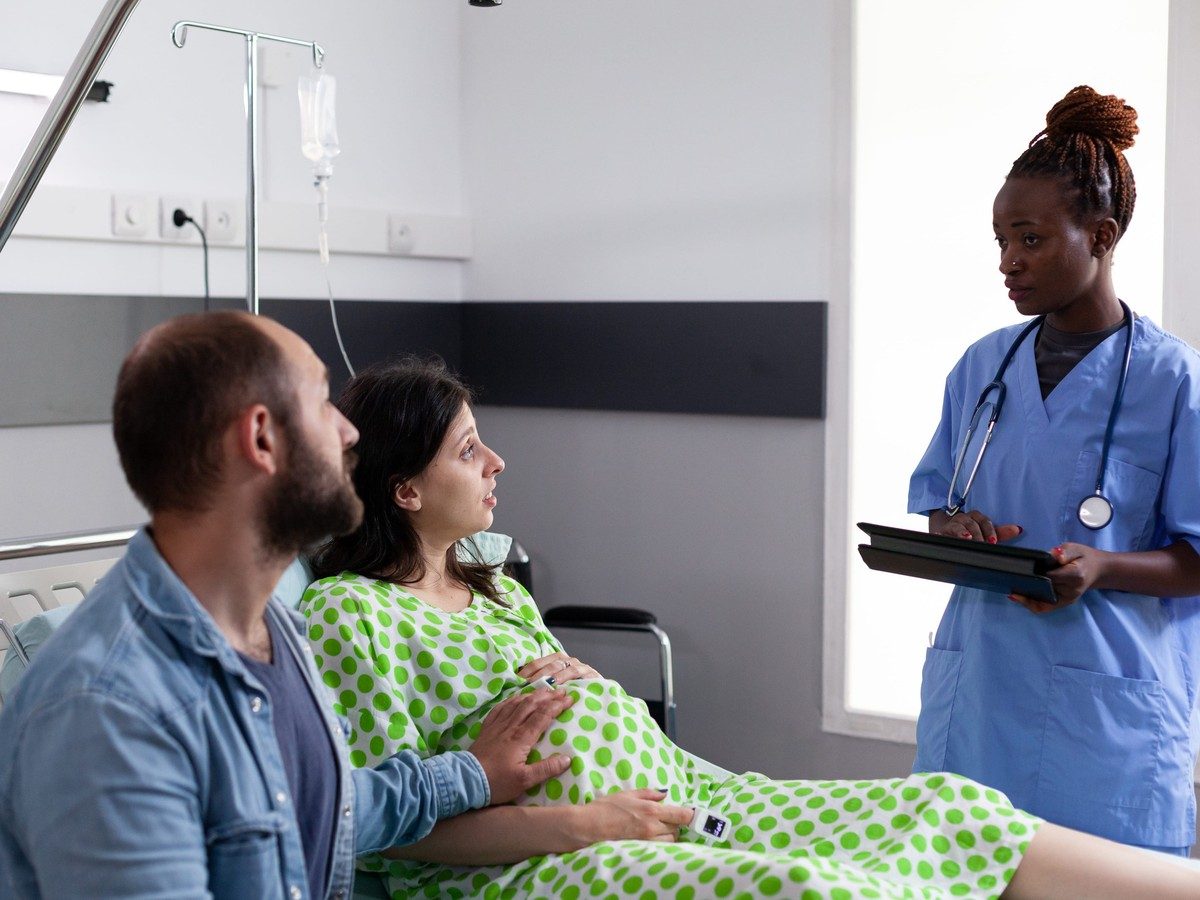
You watch mother and baby at once. Continuous fetal monitoring, labor progression, epidural support, emergency cesarean prep, and immediate newborn assessment all sit inside one assignment. Conditions change fast. The strongest L&D nurses read a tracing, name the problem early, and get the right people into the room before a difficult labor becomes an emergency. That anticipation is the whole job, and it is learned at the bedside rather than in a classroom.
The Credentials That Open Doors
Certifications carry real weight. Most facilities want BLS and NRP, and many prefer AWHONN intermediate fetal monitoring or the RNC-OB credential. Adding them lifts your rate and widens the assignments you can accept. Concentric recruiters confirm which certifications a specific facility requires before you interview, so credentialing never stalls an offer you already earned. Ask early. One missing card can delay a start date by a week.
Pay, Advancement, and Where the Openings Are
The Numbers Behind the Specialty
RN pay holds up. The U.S. Bureau of Labor Statistics reports a median registered nurse wage of $97,550 and projects roughly 180,800 RN openings each year through 2035. Most L&D travel assignments run 13 weeks, and rates move with market, shift, and acuity, so ask your recruiter for the specific number. Concentric works maternal-newborn reqs from Scottsdale, with current L&D openings in the Phoenix metro and NICU openings in Tucson.
Where the Specialty Can Take You
L&D is a launch point. Nurses move into high-risk antepartum, NICU, lactation consulting, or graduate school toward certified nurse-midwife, a role BLS places in a category with a median wage of $134,920. Others stay at the bedside for twenty years because the work never turns routine. Both are respectable careers, and both start with specialty hours you can only earn by taking the assignments.
Frequently Asked Questions
Q: What do labor and delivery nurse jobs require?
A: An active RN license, BLS, and usually at least one year of recent L&D experience. NRP is commonly required, and fetal monitoring certification is often preferred.
Q: How much do labor and delivery nurses earn?
A: BLS puts the registered nurse median at $97,550 per year. Travel and per diem rates are quoted per assignment and vary by market, shift, and acuity, so ask your recruiter.
Q: Can a new graduate start in labor and delivery?
A: Sometimes, through a hospital nurse residency or a permanent placement. Travel and per diem L&D roles nearly always require prior specialty experience first.
Find Your Next L&D Role With a Recruiter Who Knows the Unit
Labor and delivery nurse jobs offer real meaning, steady demand, and real bargaining power when an offer comes through. You bring skills a hospital cannot quickly replace. If you are ready to see what is open in Arizona or anywhere else in the country, apply with Concentric and let a recruiter match you to the right unit.